Trading Knowledge Hub
Master forex, gold, crypto trading with our comprehensive guides on technical analysis, indicators, fundamentals, psychology, and risk management. Your complete resource for becoming a funded professional trader.
Forex Trading
50+ Pairs
Gold Trading
XAU/USD
Crypto Trading
20+ Coins
Technical Analysis
100+ Tools
Indicators
50+ Indicators
Psychology
Mental Edge
Forex Trading
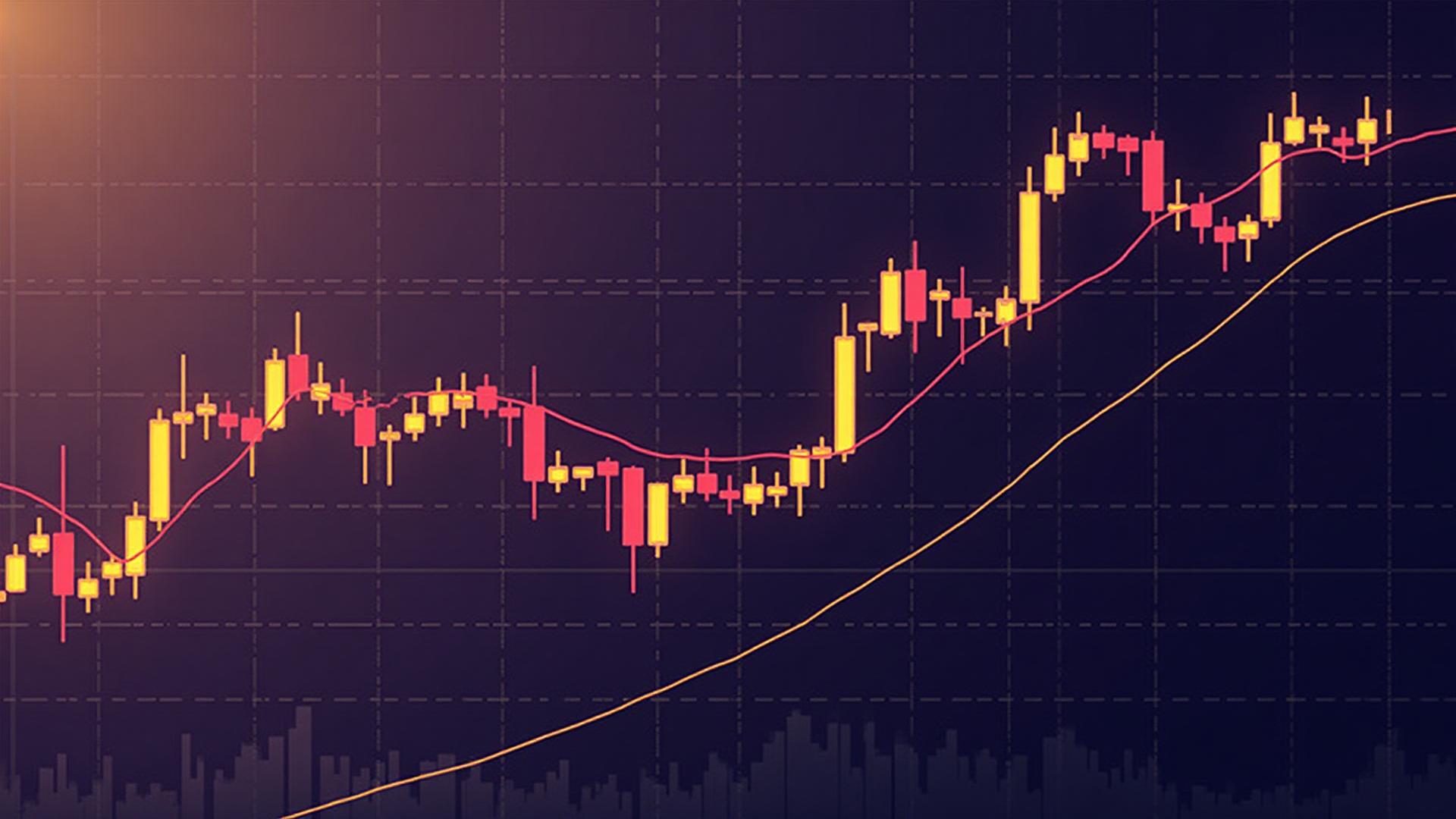
Forex trading, also known as foreign exchange or FX trading, is the largest and most liquid financial market in the world, with over $7.5 trillion traded daily. The forex market operates 24 hours a day, five days a week, allowing traders to capitalize on global economic events and currency fluctuations at any time.
In forex trading, currencies are traded in pairs such as EUR/USD, GBP/JPY, or AUD/CAD. When you trade forex, you're simultaneously buying one currency while selling another, speculating on the relative strength between the two. The first currency in the pair is the base currency, while the second is the quote currency. Understanding currency pair dynamics is covered extensively in our Volume 2: First Trades eBook.
Successful forex traders master technical analysis, fundamental analysis, and understand how economic indicators like GDP, interest rates, and employment data affect currency values. Major currency pairs like EUR/USD and GBP/USD typically offer tighter spreads and higher liquidity, making them ideal for beginners. Exotic pairs, while potentially more profitable, carry higher risks and wider spreads.
At GoFund, our funded trading challenges allow you to trade forex with up to $500,000 in capital after demonstrating your skills. Our forex trading curriculum covers everything from basic pip calculation to advanced Smart Money Concepts (SMC) and institutional order flow analysis. Learn how central bank policies, geopolitical events, and market sentiment drive currency movements.
Forex Trading Quiz
What does the first currency in a currency pair represent?
Gold Trading (XAU/USD)
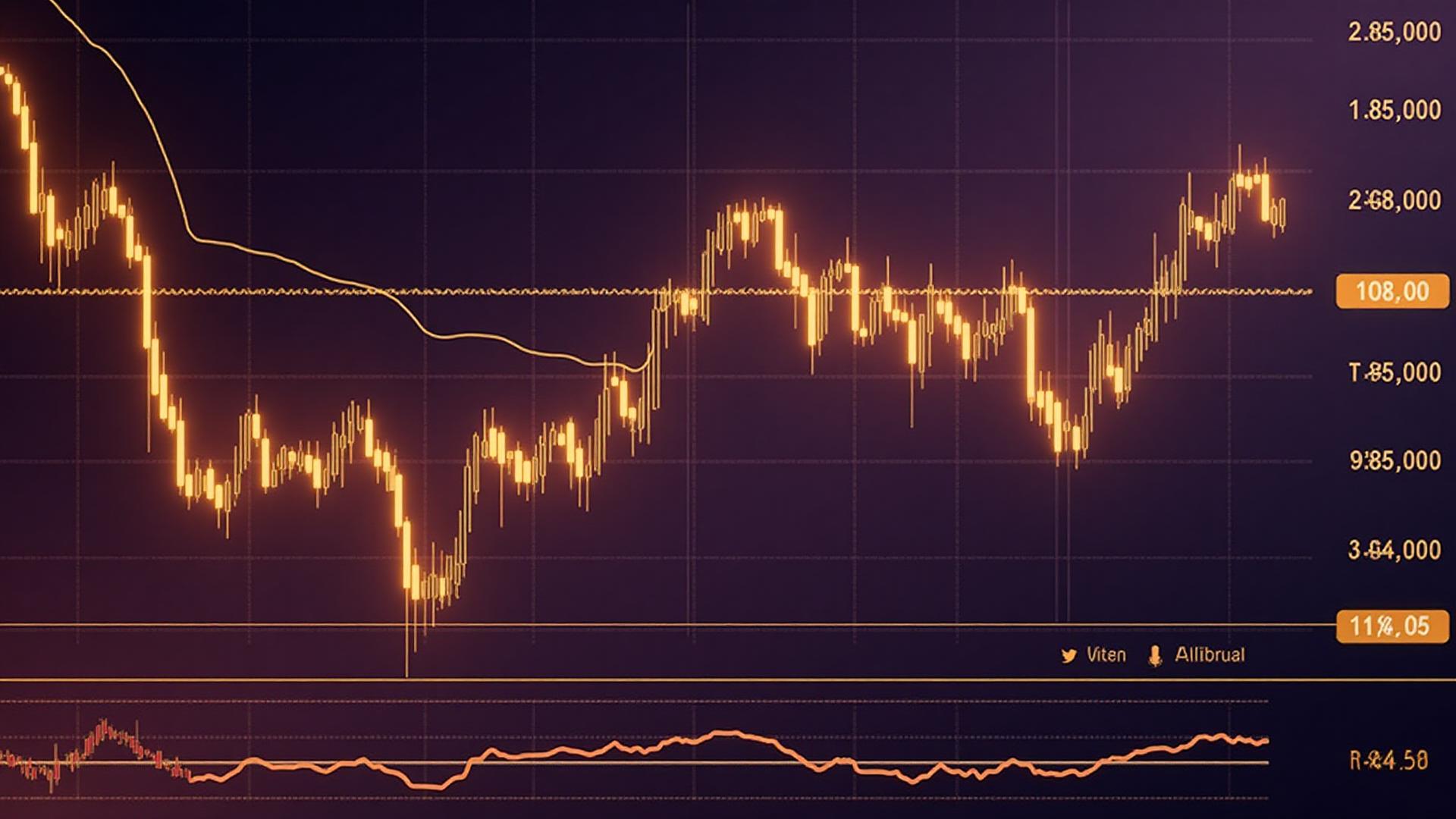
Gold trading (XAU/USD) represents one of the most popular and profitable trading instruments for both new and experienced traders. As a precious metal and safe-haven asset, gold trading offers unique opportunities during times of economic uncertainty, inflation concerns, and geopolitical tensions. The gold market provides excellent volatility and trending opportunities.
Gold prices are influenced by multiple factors including US dollar strength, real interest rates, central bank policies, inflation expectations, and global risk sentiment. When the dollar weakens, gold typically strengthens, creating inverse correlation patterns that skilled traders exploit. Understanding these correlations is essential for successful gold trading and is covered in our Volume 3: Market Mechanics.
Technical analysis is particularly effective in gold trading. Common patterns include double tops, head and shoulders, and triangle formations. Key support and resistance levels often hold significant weight in gold markets. Many professional traders combine technical setups with fundamental catalysts like Federal Reserve announcements, Non-Farm Payroll data, and Consumer Price Index (CPI) releases for optimal entry timing.
Gold trading sessions overlap with major forex sessions, with the highest volatility occurring during London and New York market hours. Our intermediate and advanced challenge tiers specifically focus on commodities trading, including gold, silver, and oil. Learn to trade gold using institutional strategies, Smart Money Concepts, and advanced order block techniques taught in our expert-level curriculum.
Gold Trading Quiz
What is the ticker symbol for gold trading against the US dollar?
Cryptocurrency Trading
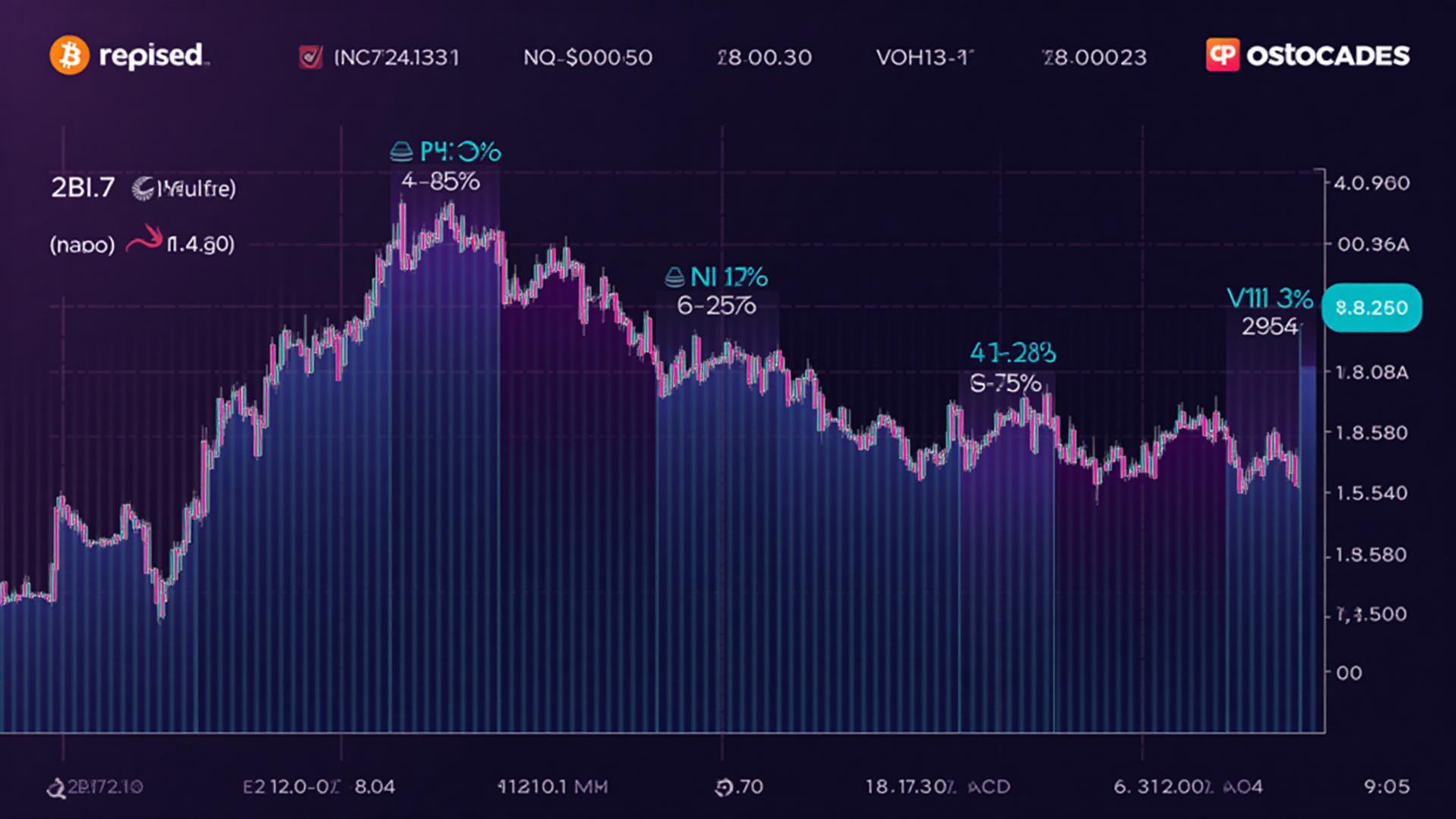
Cryptocurrency trading represents the newest and most dynamic frontier in financial markets. With Bitcoin, Ethereum, and thousands of altcoins available for trading, the crypto market operates 24/7/365, offering unprecedented trading opportunities. Unlike traditional markets, crypto never sleeps, allowing global traders to capitalize on volatility around the clock.
Major cryptocurrencies like Bitcoin (BTC) and Ethereum (ETH) have matured into established assets with institutional participation. Crypto trading requires understanding blockchain technology, tokenomics, market cycles, and unique factors like halving events, network upgrades, and regulatory developments. Technical analysis patterns work similarly to traditional markets, but with typically higher volatility and faster price movements.
Successful crypto traders master on-chain analysis, understand market sentiment through social metrics, and track whale wallet movements. Risk management is crucial in crypto due to high volatility – price swings of 10-20% in a day are common. Our Volume 4: Strategic Moves covers advanced position sizing and risk management specific to cryptocurrency trading.
The crypto market offers various trading styles: day trading for quick profits, swing trading for multi-day moves, and HODLing for long-term gains. Altcoin trading can provide explosive returns but requires careful research and risk management. At GoFund, our advanced and expert challenges include cryptocurrency trading, teaching you how to navigate this volatile market with professional strategies and proper risk controls.
Cryptocurrency Quiz
What is the main advantage of cryptocurrency markets over traditional markets?
Trading Indicators & Technical Analysis
Moving Averages (MA & EMA)
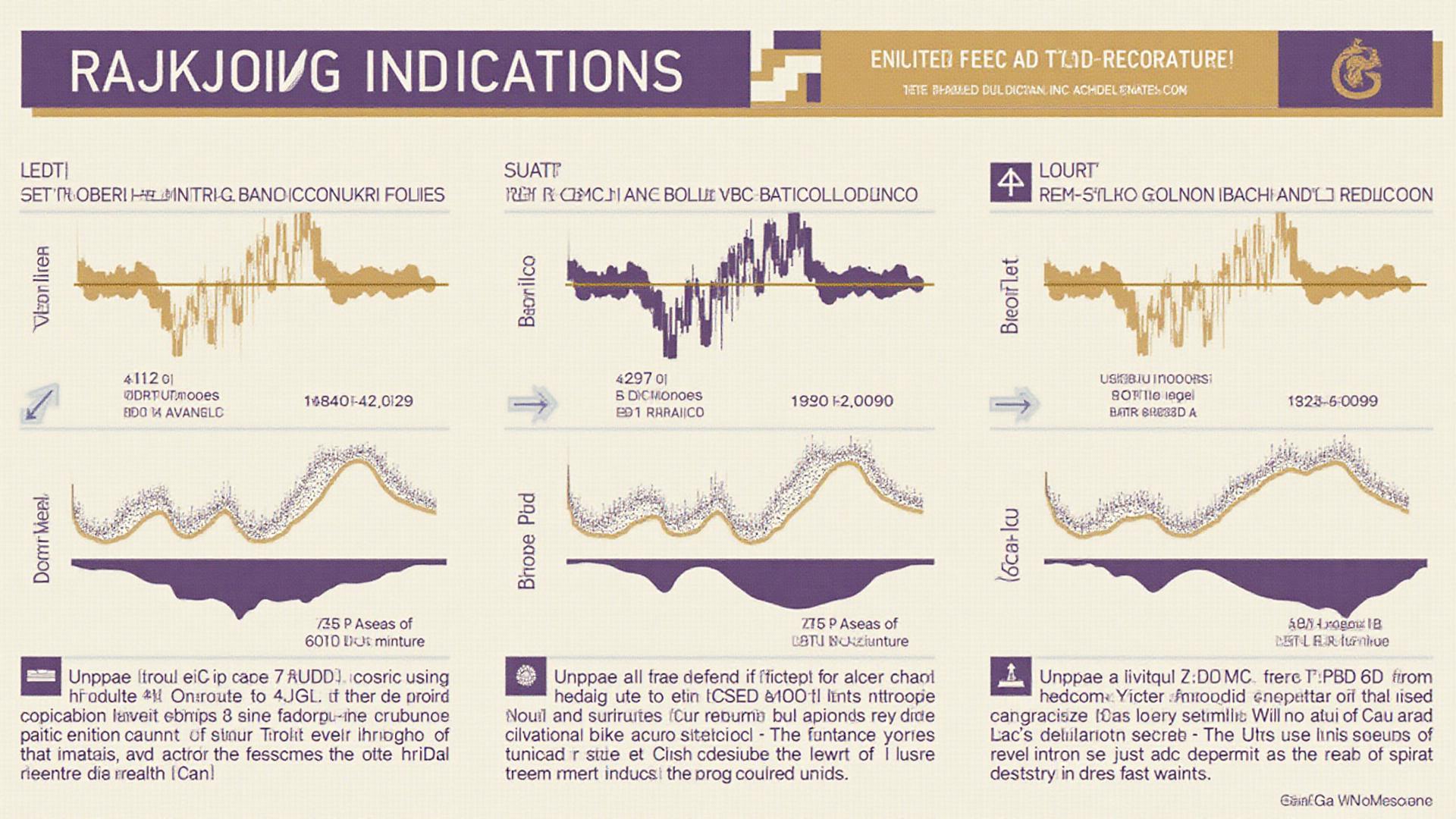
Moving averages are fundamental trend-following indicators that smooth price data over a specific period. Simple Moving Averages (SMA) give equal weight to all data points, while Exponential Moving Averages (EMA) emphasize recent prices. Popular periods include 20, 50, 100, and 200-day averages. When price is above the MA, the trend is bullish; below indicates bearish momentum. Crossovers between different period MAs generate trading signals. The 50/200 crossover (Golden Cross or Death Cross) is particularly significant for identifying major trend changes.
Relative Strength Index (RSI)
The RSI indicator measures momentum by comparing recent gains to losses, ranging from 0-100. Readings above 70 suggest overbought conditions (potential reversal down), while below 30 indicates oversold (potential reversal up). RSI divergence occurs when price makes new highs/lows but RSI doesn't confirm – a powerful reversal signal. The standard 14-period setting works well for swing trading; day traders often use 9-period RSI. Advanced traders use RSI to confirm trend strength and identify momentum shifts before they appear on price charts.
MACD (Moving Average Convergence Divergence)
MACD is a momentum indicator showing the relationship between two EMAs (typically 12 and 26-period). The MACD line crossing above the signal line generates bullish signals; crossing below is bearish. The histogram shows momentum strength – expanding bars indicate strengthening trends. MACD divergence from price action warns of potential reversals. This indicator excels at identifying trend changes and momentum shifts, making it essential for swing traders and position traders looking for multi-day moves.
Bollinger Bands
Bollinger Bands consist of a moving average with upper and lower bands set at standard deviations from the MA. Bands expand during high volatility and contract during low volatility. Price touching or exceeding the bands signals potential exhaustion. The "Bollinger Bounce" strategy buys at the lower band and sells at the upper band in ranging markets. Band squeezes (narrow bands) often precede explosive moves – powerful for breakout trading. Professional traders combine Bollinger Bands with other indicators for confirmation.
Master Technical Analysis in Our Education Program
Understanding indicators is just the beginning. Our comprehensive education volumes teach you how to combine multiple indicators, avoid false signals, and develop your own trading system. Volume 2 covers indicator fundamentals, Volume 3 dives into multi-timeframe analysis, and Volume 4 reveals advanced price action techniques that professional traders use. Learn to read charts like institutional traders and develop the edge needed to pass our funded trading challenges.
Technical Indicators Quiz
What type of indicator is the Moving Average?
Trading Psychology: The Mental Game
Trading psychology is often considered the most important yet overlooked aspect of successful trading. Studies show that 80% of trading success comes from mental discipline, emotional control, and psychological resilience – not technical skills. Even with the best strategy, poor emotional management leads to devastating losses. This is why our Volume 1: Foundations of Wealth starts with psychology before technical analysis.
Emotional Control
Fear and greed are the two emotions that destroy most traders. Fear causes you to exit winning trades too early or avoid valid setups after a loss. Greed makes you hold losing positions hoping for recovery or risk too much on a single trade. Professional traders recognize these emotions and follow their trading plan regardless of feelings. Developing emotional awareness is the first step toward mastery.
Discipline & Consistency
Trading discipline means following your rules every single time, even when you don't feel like it. This includes taking profits at targets, cutting losses at stops, and only trading your A+ setups. Consistency compounds results – small edges executed repeatedly generate massive returns over time. Discipline separates profitable traders from gamblers.
Patience & Selectivity
Amateur traders overtrade, taking mediocre setups out of boredom or need for action. Professional traders wait patiently for high-probability opportunities that meet all criteria. Being selective dramatically improves win rates and reduces emotional stress. Remember: the best trade is often no trade.
Dealing With Losses
Every trader experiences losses – they're part of the business. The key is accepting them without emotional attachment. Losses are simply the cost of doing business. Professional traders analyze what went wrong objectively, learn from mistakes, and move on without revenge trading or trying to "win it back."
Build Unshakeable Mental Strength
Our comprehensive education program dedicates significant focus to trading psychology. From building confidence through proper risk management to maintaining discipline during drawdowns, we cover the mental frameworks used by elite traders. Volume 3 explores the psychology of losses, Volume 5 teaches performance optimization, and Volume 6 achieves complete psychological mastery for consistent profitability. Start your funded challenge with the right mindset.
Trading Psychology Quiz
What is the most common psychological mistake traders make?
Risk management is the foundation of sustainable trading success. You can have the best strategy in the world, but without proper risk controls, one bad streak will wipe out your account. Professional traders understand that capital preservation comes before profit generation. Our entire education curriculum emphasizes risk management as the cornerstone of funded trading.
Risk management evolves as you progress through our education volumes. Volume 1 covers basic concepts, Volume 4 teaches advanced position sizing for multiple positions, and Volume 5 reveals institutional risk models for managing six-figure accounts. Our challenge rules enforce strict risk management – maximum 5% daily drawdown and 10% overall drawdown – training you to trade like professionals from day one.
Position Sizing
Never risk more than 1-2% of your account on a single trade. This rule ensures that even 10 consecutive losses only damage your account by 10-20%, leaving plenty of capital to recover. Position size should scale with account growth. Calculate exact position size using: Risk Amount = Account Balance × Risk %, then divide by stop loss distance in pips.
Risk Amount = Account × Risk %
Position Size = Risk ÷ Stop Loss Distance
Stop Loss Placement
Stop losses must be placed at levels that invalidate your trade thesis – not arbitrary distances. Common placements include below swing lows for longs, above swing highs for shorts, and beyond support/resistance zones. Never move stops against your position. Always account for spread and slippage in your calculations.
- Below structure for long trades
- Above structure for short trades
- Account for spread and slippage
Risk-Reward Ratios
Aim for minimum 2:1 risk-reward ratios. This means if you risk $100, you should target at least $200 profit. With a 2:1 ratio, you only need a 35% win rate to be profitable. Our best setups often provide 3:1 or better ratios. Calculate potential profit before entering any trade and only execute when the mathematics favor you.
Example: Risk $50 with $500 stop loss, target $1,500 profit (3:1 ratio)
Advanced Risk Management Training
Master the risk management frameworks used by institutional traders and funded professionals. Learn to protect your capital while maximizing growth potential through our comprehensive education program.
Risk Management Quiz
What is the recommended maximum risk per trade?
Trading Glossary
Essential trading terms and definitions every trader should know
Ask Price
The price at which a seller is willing to sell a financial instrument. Also known as the offer price, it represents the minimum price a seller will accept.
Bid Price
The price at which a buyer is willing to purchase a financial instrument. It represents the maximum price a buyer is willing to pay.
Bull Market
A market condition where prices are rising or are expected to rise. Characterized by optimism, investor confidence, and expectations of strong performance.
Bear Market
A market condition where prices are falling, typically by 20% or more from recent highs. Associated with pessimism and negative investor sentiment.
Candlestick
A price chart that displays the high, low, open, and close for a security. The body shows open-close range, while wicks show high-low extremes.
Day Trading
The practice of buying and selling financial instruments within the same trading day, with all positions closed before market close to avoid overnight risk.
Drawdown
The peak-to-trough decline during a specific period of an investment or trading account, typically expressed as a percentage.
Leverage
The use of borrowed capital to increase potential returns. In trading, leverage allows controlling large positions with relatively small capital.
Lot Size
The standardized quantity of a financial instrument. In forex, a standard lot is 100,000 units, mini lot is 10,000, and micro lot is 1,000.
Margin
The amount of equity required to open and maintain a leveraged position. It acts as a good faith deposit for securing a trading position.
Pip
The smallest price move in forex trading, typically the fourth decimal place (0.0001) for most currency pairs, or second decimal place for JPY pairs.
Risk-Reward Ratio
The relationship between the potential profit of a trade and its potential loss. A 3:1 ratio means you risk $1 to potentially make $3.
Spread
The difference between the bid and ask price. It represents the cost of trading and is how brokers typically make money on transactions.
Stop Loss
An order placed to automatically close a position at a predetermined price level to limit potential losses on a trade.
Support
A price level where buying interest is strong enough to overcome selling pressure, preventing the price from declining further.
Resistance
A price level where selling interest is strong enough to overcome buying pressure, preventing the price from rising further.
Volatility
The degree of variation in trading prices over time. High volatility indicates large price swings, while low volatility suggests stable prices.
Volume
The number of shares, contracts, or lots traded during a given period. Used to confirm trends and breakouts in technical analysis.